
Criminal Court Cases in Burke County
Burke County criminal cases split by both offense level and location. Superior Court hears felonies, indictments, and trials. State Court handles misdemeanors and traffic within its jurisdiction. Magistrate Court issues warrants, holds first appearances, and manages preliminary matters, while municipal courts address ordinances, traffic, and limited state misdemeanors. The Burke clerk manages Superior, State, Traffic, and Juvenile records, but Juvenile Court delinquency files are confidential and are not ordinary public criminal histories.
Record seekers should name the court, not merely Burke County. Waynesboro Municipal Court keeps city matters through its clerk at 628 Myrick Street. Sardis routes city citation and ordinance questions through City Hall at 713 Charles Perry Avenue. Midville uses its municipal channel at 132 South Jones Street. A citation payment screen is not a docket search. When a felony grows from a city arrest, the later file belongs with Burke Superior Court rather than the municipal counter.
Burke County Clerk Record Desk
The elected clerk is the custodian for filed Burke County case records. Official sources list the Burke County Judicial Center at 200 East Sixth Street, P.O. Box 803, Waynesboro, Georgia, with 706-554-2279, fax 706-554-7887, and clerkofcourtservices@burkecounty-ga.gov. Published weekday hours are 8:30 a.m. to 5 p.m. County sources also reference the courthouse at 111 East Sixth Street, so a caller should confirm which counter holds the desired file before traveling.
Burke County Clerk of Court
200 East Sixth Street
Waynesboro, GA
706-554-2279
Weekdays, 8:30 a.m. to 5 p.m.
The official Georgia clerk directory confirms the Burke office and its court responsibilities.
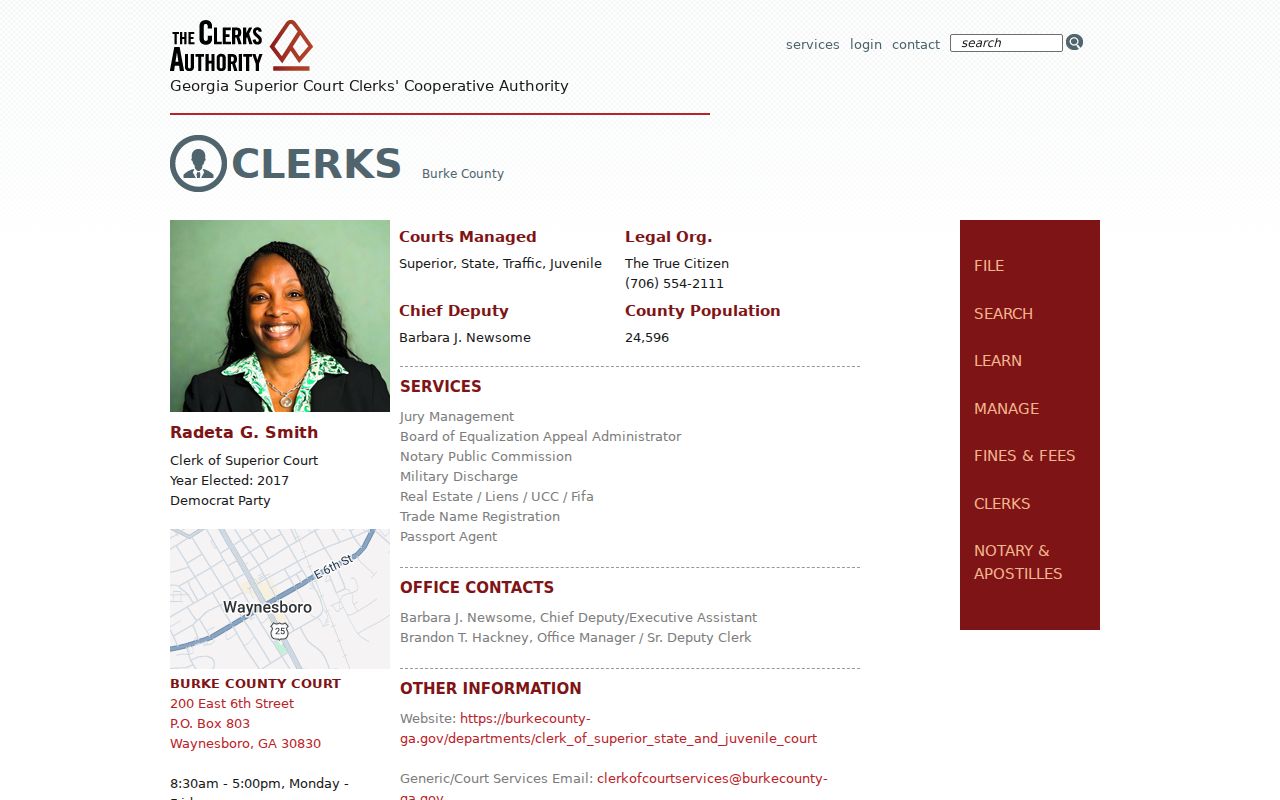
The directory is the best source for current counter details, while the clerk remains the source for a plain or certified case document.
Burke County Case Record Searches
The Burke clerk homepage launches a Case Search, and Georgia Courts routes Burke Superior and State Court users to PeachCourt. The verified limitation matters: PeachCourt requires an account, and Georgia Courts E-Access is a directory rather than a statewide case database. No private case was opened during research, so unverified interface fields should not be presented as guaranteed search options.
- Identify whether the matter belongs to Superior, State, Magistrate, or a municipal court.
- Open the official Georgia Courts E-Access route and create the required PeachCourt account for Superior or State Court.
- Use the exact name, court, filing year, or case number that the live interface accepts.
- Read the docket in date order, then locate the filed charge and final disposition.
- Contact the Burke clerk for older, unavailable, plain-copy, or certified material.
| Search detail | Use | Verification |
|---|---|---|
| Court name | Separates Superior and State files | Confirm before searching |
| Case number | Best match for a known file | Ask clerk if unknown |
| Party name | Possible name-based locator | Check the live gated screen |
| Filing year | Narrows similar records | Check the live gated screen |
| Document access | View or request filings | Availability can vary |
The Georgia Courts E-Access directory documents the account gate and Burke routing.
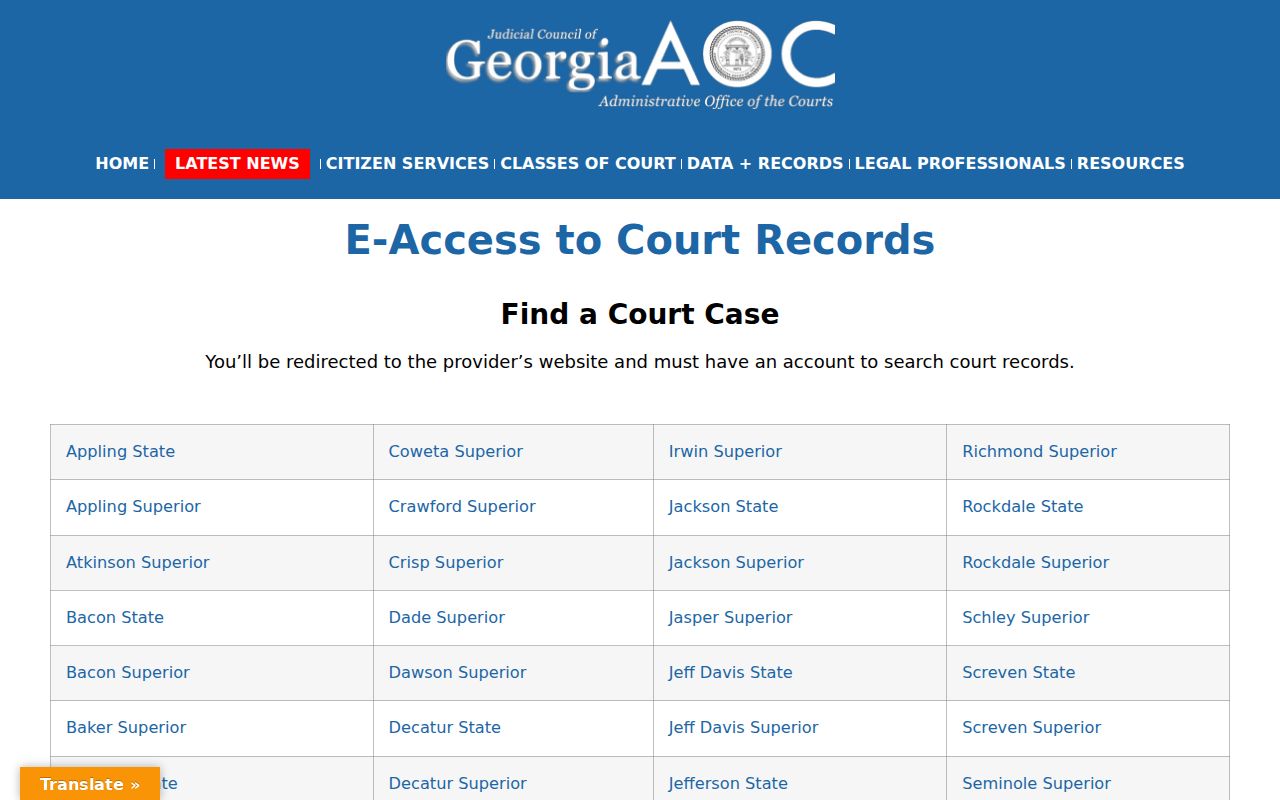
This official route helps prevent a search on an unrelated commercial court site.
Burke County Courts by Charge
A charge at arrest does not settle venue. Prosecutors may file an accusation for many misdemeanors or seek a grand-jury indictment for a felony. Burke Superior Court is the felony court. Burke State Court handles misdemeanors and traffic and also hosts Burke DUI Court. Magistrate Court may appear early through a warrant, first appearance, or preliminary hearing, even if the full felony file later moves to Superior Court.
Municipal records have narrower reach. A city citation can remain in Waynesboro, Sardis, or Midville, while a county misdemeanor goes to State Court and a felony belongs in Superior Court. Searchers should compare the citation, accusation, or indictment with the docket rather than assume the officer’s first label stayed unchanged. This venue check is often the quickest fix when a name does not appear in the expected Burke County search.
What a Criminal Case File Contains
A Burke County case file is the court’s timeline, not the sheriff’s narrative. It may identify the court and case number, filed charges, parties, counsel, docket events, hearings, motions, disposition, judgment, sentence, money entries, and appeal references. Access can differ by record, and sealed or restricted items will not appear like ordinary public filings. The signed judgment is the strongest local proof of outcome.
| Case Number and Court | Identifies the venue and links filings to one action. |
|---|---|
| Charging Document | An accusation or indictment states the charge actually pursued. |
| Docket Entries | Dated notes show filings, hearings, orders, pleas, and warrants. |
| Hearing Dates | Calendar events track arraignment, motions, trial, and sentencing. |
| Disposition and Judgment | Shows dismissal, plea, acquittal, conviction, or another outcome. |
| Sentence and Conditions | May state custody, probation, restitution, fines, and other terms. |
A certified copy is clerk-authenticated. It is different from a screen view or plain copy, and the research did not locate a current Burke certification fee.
Burke County Accountability Courts
Six named accountability programs serve Burke County, which makes the local case path more varied than a simple trial-or-plea model. The official directory lists Augusta Circuit Adult Drug Court, Mental Health Court, Veterans Treatment Court, Family Treatment Court, Juvenile Drug Court, and Burke County DUI Court. The programs began in different years, from Burke DUI Court in 2006 to Juvenile Drug Court in 2024. Eligibility and participation belong to the court process, not to a public record search.
The Georgia accountability-court directory identifies the programs serving Burke.
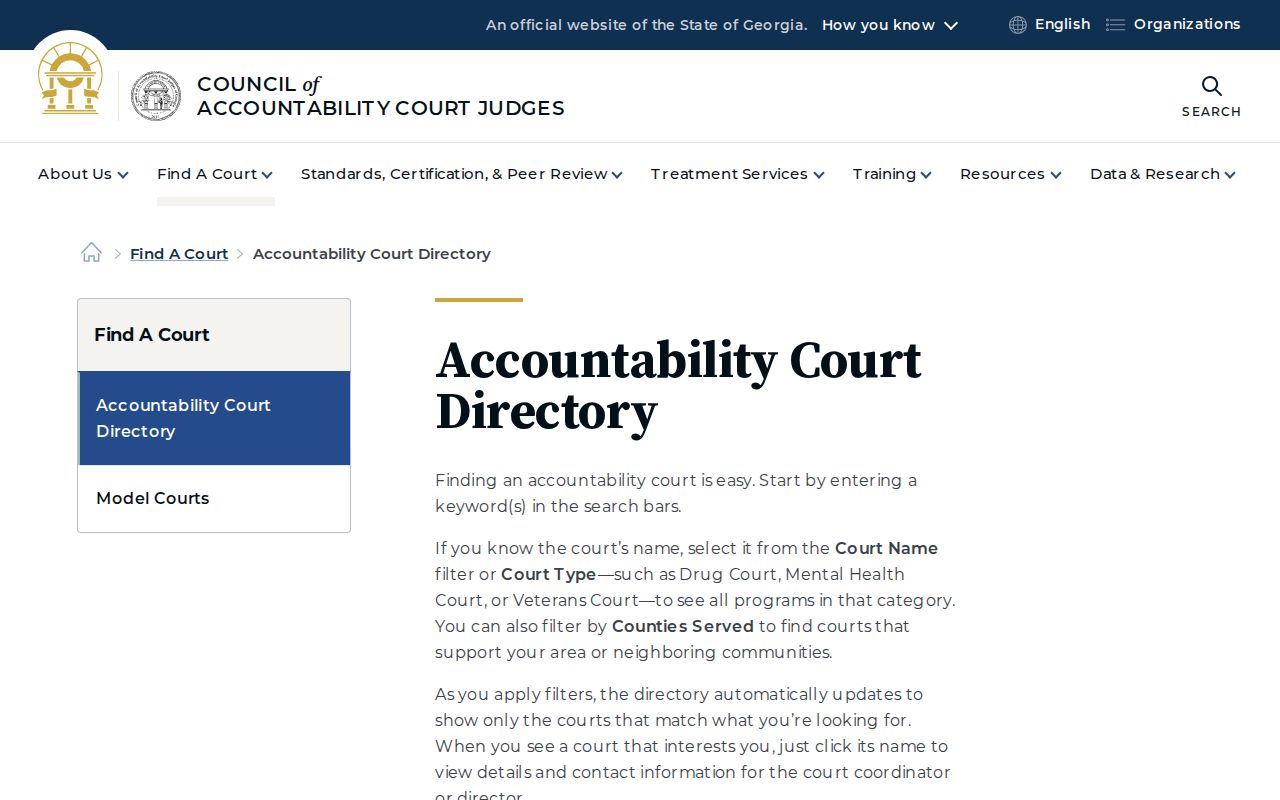
A docket may reflect program-related orders, but the clerk should explain which entries and documents are public.
Criminal Case Stages in Burke County
The court record begins after an alleged offense leads to a warrant, arrest, citation, or filed charge. A prompt first appearance deals with probable cause and release issues. The prosecutor then chooses what to file. Arraignment is the hearing where a plea is entered. Discovery and motions follow, and the matter can end through dismissal, a negotiated plea, trial, or another lawful disposition.
Case flow: Charges Filed › Arraignment › Pretrial › Plea or Trial › Disposition › Sentencing
Disposition reporting may lag. A clerk can enter a judgment before the Georgia Crime Information Center processes it, while GCIC may retain a fingerprint-linked arrest when a public docket is hard to find. For a correction, obtain the certified Burke County disposition and use the GCIC correction route.
Burke County Case Offices
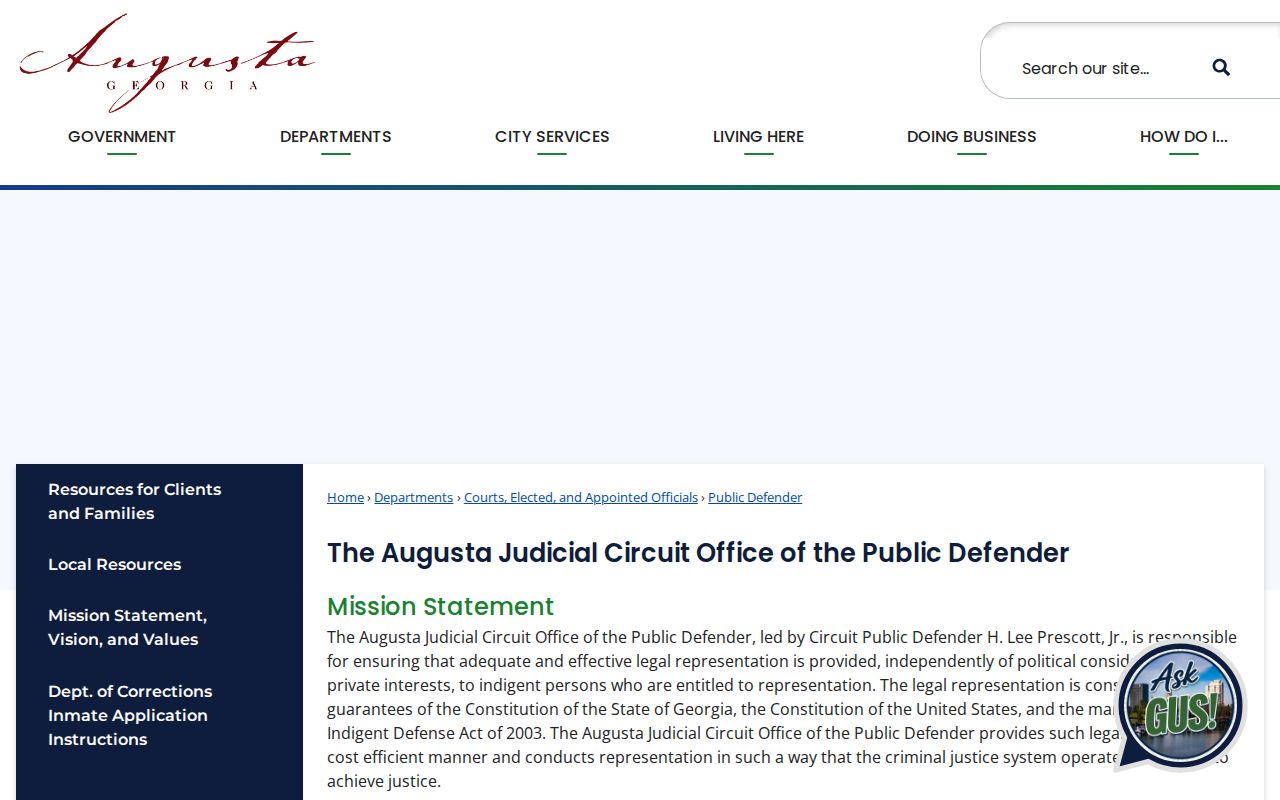
The Augusta Judicial Circuit District Attorney prosecutes Burke and Richmond matters. Its official profile describes a full-time Burke DA office, a Major Crimes Division, and Superior Court Pre-Trial Diversion for eligible first-time participants. The Augusta Judicial Circuit Public Defender accepts Burke Superior and State criminal and traffic applications and says applicants should receive a qualification response within two business days when reliable contact information is supplied.
The official district attorney profile explains the prosecution office’s Burke role.
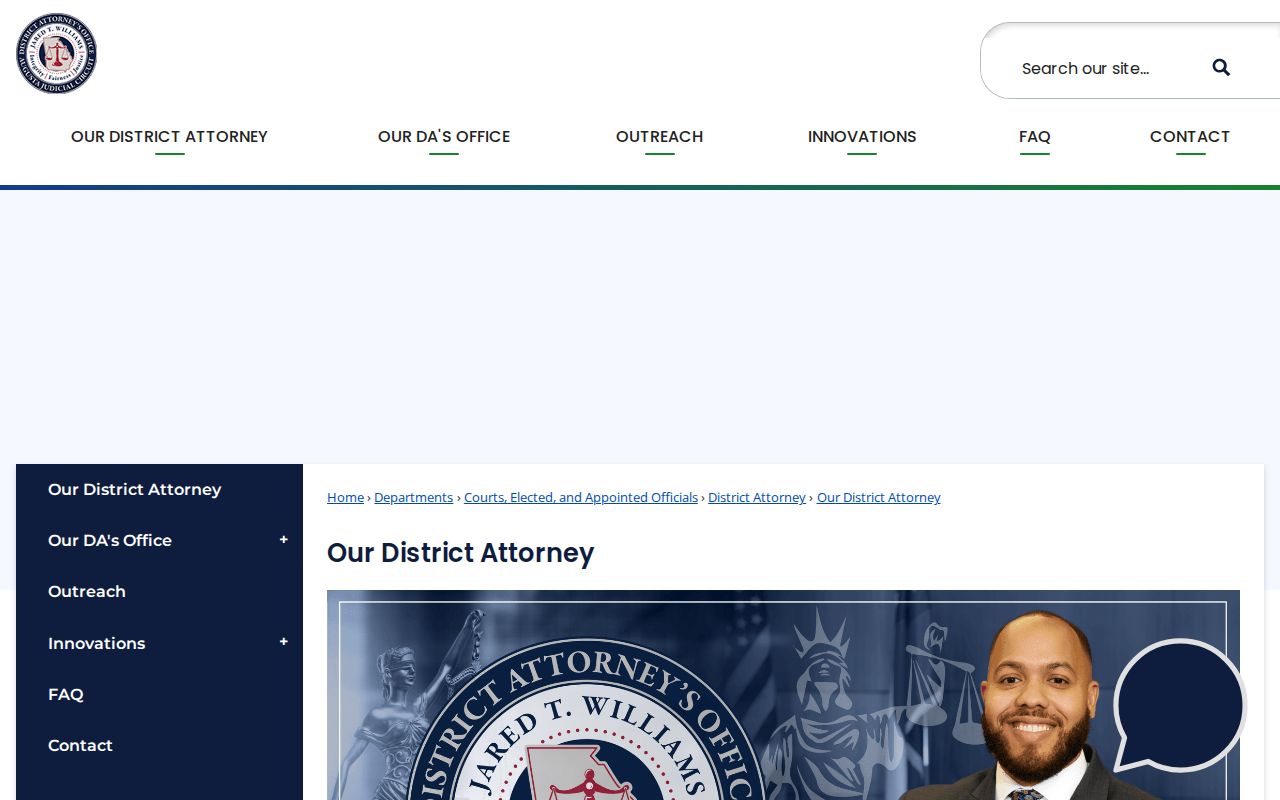
The DA may explain prosecution procedures, but the clerk remains the court-record custodian.
The circuit public defender page provides the official application route.
Defense eligibility and legal advice are separate from public access to the filed docket.
When Burke County Cases Lag
A missing online entry can reflect more than one cause. A new arrest may not yet have produced a filed accusation or indictment. The matter may sit in a municipal or Magistrate venue rather than Superior or State Court. An older file may need clerk help, and a sealed or juvenile matter may not be publicly visible. Start by checking the date, court, spelling, and case number. Then ask the clerk whether the record is pending, archived, filed under another venue, or subject to an access limit.
GCIC and the local docket also update on separate tracks. The repository can retain a fingerprint-linked arrest cycle while a public court search is unavailable, or the clerk may have a judgment before the statewide disposition posts. A certified Burke County judgment is the key source when correcting an outcome in one’s own statewide history.
Access Rules for Burke County Cases
Georgia law favors access to public records, but court files still contain limits. Juvenile delinquency records, sealed filings, protected victim information, identifiers, and some active matters may be withheld or redacted. O.C.G.A. §50-18-70 et seq. governs agency open records, yet judicial file access should be directed to the clerk. Asking the sheriff for a court judgment, or asking the clerk for a police narrative, sends the request to the wrong custodian.
Georgia record restriction under O.C.G.A. §35-3-37 limits qualifying criminal-history dissemination. Court sealing is a separate step that limits public court-file access. Neither should be described as automatic destruction. If a Burke County case is missing online, verify the court, spelling, filing date, and case number, then ask the clerk about archived, sealed, or certified material. For a broader view of how local files connect to statewide history, the Burke County criminal history overview explains those distinct layers.